Seamless Patterns Floral Graphics: The Ultimate Resource for Designers and Creators
In the ever-evolving landscape of digital and print design, the demand for high-quality, versatile assets has never been higher. Among the most sought-after elements are Seamless Patterns Floral Graphics. These intricate designs serve as the backbone for countless projects, ranging from luxury packaging to modern web interfaces. Whether you are a seasoned graphic designer looking to expand your asset library or a small business owner needing unique branding materials, understanding the value and application of these patterns is essential.
The Artistry Behind Floral Motifs
Floral graphics have transcended their traditional association with gardening catalogs to become a staple in contemporary aesthetics. They evoke feelings of nature, growth, elegance, and tranquility. However, creating a pattern that repeats perfectly without visible seams requires a level of technical skill and artistic precision that distinguishes professional work from amateur attempts. Seamless Patterns Floral Graphics represent the pinnacle of this craft, offering endless tiling capabilities that maintain visual integrity regardless of the surface area they cover.
These designs are not merely decorative; they are functional tools. When utilized correctly, they can transform a flat, two-dimensional space into a dynamic environment. The complexity of the floral elements—whether they feature delicate vines, bold blooms, or abstract botanical shapes—allows them to adapt to various themes. From the rustic charm of a farmhouse kitchen to the sleek minimalism of a tech startup's website, floral patterns provide a versatile texture that enhances the overall user experience.
Understanding the Technical Specifications
When acquiring a collection of Seamless Patterns Floral Graphics, it is crucial to understand the file formats and quality standards involved. A typical package, such as the one described in recent digital marketplaces, often includes high-resolution files optimized for both screen and print usage. For instance, receiving a single JPG file within a ZIP archive suggests a focus on immediate usability and compatibility across different software platforms.
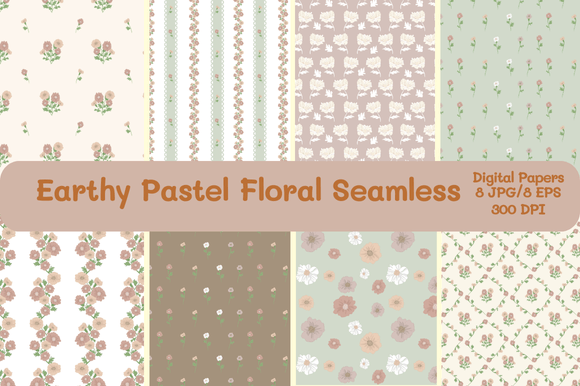
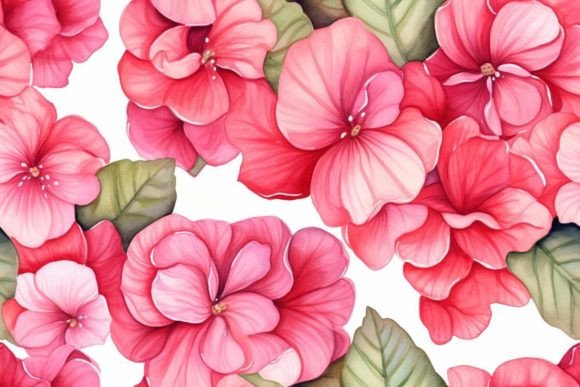
While some titles associated with these products might be randomly generated or misleading regarding specific flower types, the visual content remains the primary indicator of quality. The resolution of the image dictates its versatility. High-definition imagery ensures that when the pattern is scaled up for large-format printing, such as wallpaper or fabric rolls, the details remain crisp and free from pixelation. This technical robustness is what separates premium assets from low-quality stock images that degrade under scrutiny.
Diverse Applications Across Industries
The utility of floral seamless patterns extends far beyond simple decoration. Their ability to tile infinitely makes them indispensable for professionals in various sectors who require consistent background textures.
- Fashion and Textile Design: In the world of apparel, floral prints are timeless. Designers utilize Seamless Patterns Floral Graphics to create fabrics for dresses, scarves, and home textiles like curtains and bedding. The seamless nature of the file allows manufacturers to print continuous rolls of material without awkward interruptions or mismatched edges.
- Packaging and Branding: Consumer goods rely heavily on visual appeal. A cosmetic brand might use a subtle, elegant floral pattern to convey natural ingredients, while a children's toy company might opt for vibrant, bold flowers to suggest fun and energy. These patterns add depth to product boxes, labels, and shopping bags, elevating the perceived value of the item.
- Digital Interfaces and Web Design: Modern websites often use textured backgrounds to break up large areas of white space. Seamless Patterns Floral Graphics can be applied as CSS backgrounds or overlay elements to create a unique atmosphere without distracting from the core content. They are particularly effective for lifestyle blogs, beauty sites, and creative portfolios.
- Interior Design and Wallcoverings: Architects and interior designers frequently incorporate floral motifs to soften the hard lines of modern architecture. Digital wallpapers allow for rapid prototyping, enabling clients to visualize how a specific floral graphic will look in their living room before committing to physical installation.
Workflow Integration for Professionals
For educators and researchers studying design history or color theory, these patterns offer a practical case study in repetition and symmetry. They demonstrate how a single motif can be manipulated to create an infinite field of interest. Hobbyists and DIY enthusiasts also benefit greatly from these resources. With the rise of online crafting communities, individuals use these graphics to create custom stationery, scrapbooking layouts, and personalized gifts using home printers or cutting machines.
The process of integrating these assets into a workflow is straightforward yet powerful. Once a designer downloads the necessary files, typically contained in a compressed ZIP format, they can extract the high-resolution JPG image. This file can then be imported into industry-standard software like Adobe Photoshop, Illustrator, or Affinity Designer. The designer can adjust opacity, blend modes, and color overlays to match their specific project requirements, ensuring the final output aligns with the brand identity.
Selecting the Right Assets for Your Project
Not all floral patterns are created equal. When browsing through available collections, it is vital to look past the metadata and focus on the visual evidence. Titles may sometimes be generic, but the actual image content tells the true story of the asset's potential. A high-quality set of Seamless Patterns Floral Graphics should exhibit clean lines, balanced composition, and appropriate contrast.
Consider the intended medium when making a selection. If the goal is to print on fabric, ensure the pattern scale is suitable for weaving or dyeing processes. Conversely, if the pattern is destined for a mobile app interface, a simpler, less detailed floral graphic might be preferable to avoid overwhelming the small screen real estate. The flexibility of these graphics lies in their scalability, but the initial choice must align with the end-use case.
Furthermore, the aesthetic style of the flora matters. Botanical illustrations often suit academic or medical contexts, while watercolor-style florals lean towards artistic and personal projects. Abstract interpretations of flowers fit well in corporate environments where a touch of creativity is desired without being overly whimsical. Understanding these nuances allows creators to curate a library that serves multiple purposes effectively.
Community Engagement and Continuous Improvement
The creation and distribution of digital assets thrive on community feedback. Platforms hosting these resources often encourage users to leave reviews and ratings. This practice is invaluable for both buyers and sellers. For the consumer, reading reviews provides insight into the actual quality of the files, helping to verify that the JPG resolution matches expectations and that the pattern tiles correctly. It acts as a safeguard against misleading descriptions.
For the creator, feedback drives improvement. Comments regarding color accuracy, file organization, or the variety of floral styles help refine future releases. Following accounts dedicated to design resources ensures that professionals stay updated on the latest trends. As design tastes evolve, so do the floral motifs. What was popular five years ago may differ significantly from current preferences, which now often favor sustainable, organic, and hand-drawn aesthetics.
Supporting creators by engaging with their content fosters a healthy ecosystem. When users follow for more products, they contribute to the availability of diverse and high-quality resources. This cycle of creation, consumption, and feedback ensures that Seamless Patterns Floral Graphics continue to meet the growing demands of the global creative community.
Future Trends in Floral Design
Looking ahead, the integration of floral graphics is likely to expand into new territories. Augmented reality (AR) applications may soon allow users to "place" virtual floral patterns onto their real-world surroundings, requiring highly optimized and lightweight pattern files. Additionally, the trend towards sustainability in design means that digital patterns replacing physical samples will become even more critical, reducing waste in the prototyping phase.
Educational institutions are also beginning to incorporate these digital assets into curriculums, teaching students how to manipulate vector and raster data to create seamless textures. This shift highlights the importance of having reliable, accessible libraries of Seamless Patterns Floral Graphics available for learning and experimentation.
Conclusion on Versatility and Value
The significance of Seamless Patterns Floral Graphics cannot be overstated in the modern creative economy. They bridge the gap between traditional art forms and digital innovation, offering a toolset that is as useful for a hobbyist making birthday cards as it is for a multinational corporation rebranding its visual identity. By focusing on the quality of the images rather than just the titles, and by understanding the technical specifications like file formats and resolution, users can maximize the impact of these assets.
Whether used to wrap a product, decorate a website, or inspire a new fashion line, these patterns bring a touch of nature and elegance to every project. As the digital marketplace continues to grow, the availability of high-quality, versatile floral resources will only increase, empowering creators to push the boundaries of design further than ever before. Engaging with these resources, providing feedback, and staying informed about new releases ensures that the creative community remains vibrant and innovative.